The appeal of an island often begins with a photograph: a pale shore, a canopy of trees or a reef visible from above. What the photograph cannot show is how freshwater arrives, where wastewater goes, which species nest nearby or how local people use the coast. A thoughtful visit starts with those less visible systems. You do not need specialist knowledge, but you do need to distinguish specific, checkable information from a general claim to be close to nature.
Read the habitat before the activity list
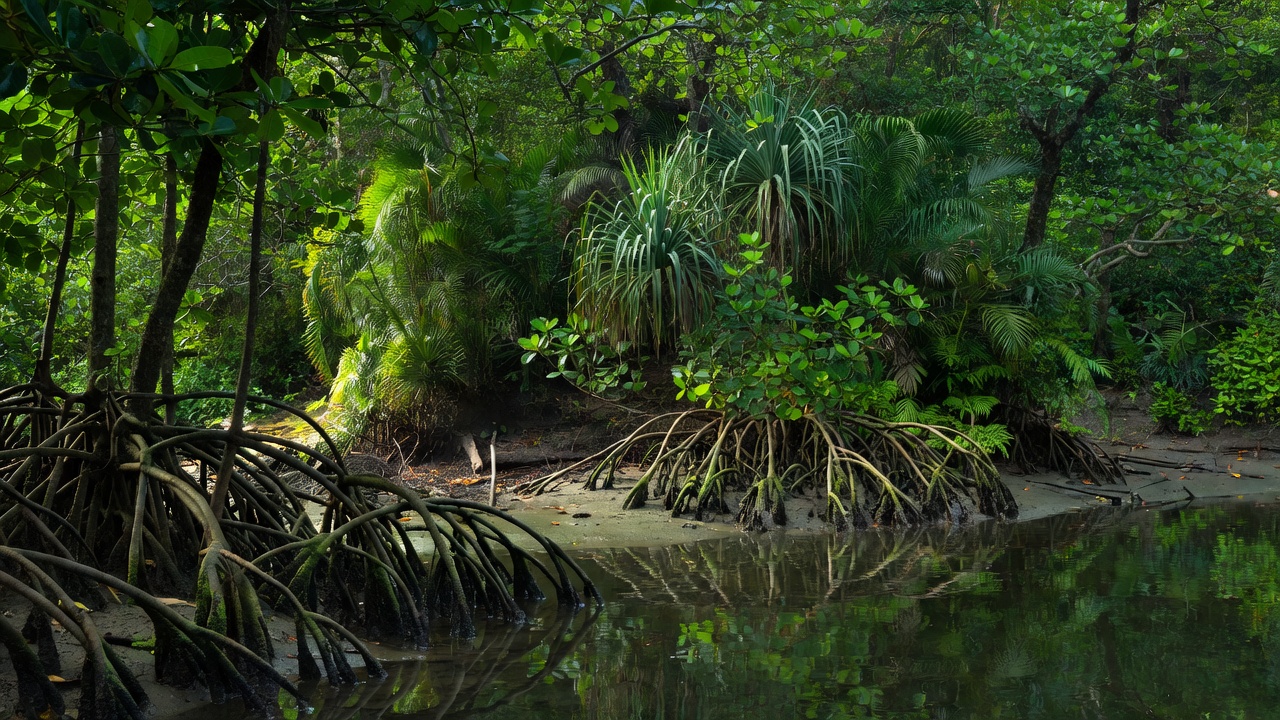
Different islands support different kinds of encounters. A coral atoll, a granitic island and a mangrove-fringed coast do not offer the same walking, swimming or wildlife conditions. Aldabra Atoll and Vallée de Mai in the Seychelles appear on UNESCO’s World Heritage List for distinct ecological reasons. Neither designation should be borrowed as a blanket endorsement of nearby accommodation. Check the location and boundaries of any protected area being invoked.
The Galápagos Islands provide another useful reminder that conservation can require limits on movement, guiding and access. An island experience is not diminished because some places are unavailable to visitors. The Great Barrier Reef likewise needs to be understood as a large, varied marine system, not a single interchangeable backdrop. Conditions and rules should be checked for the specific area and activity you are considering.
Ask where water and materials go
Freshwater may come from rainfall, imported supplies, groundwater or desalination, each with operational consequences. Ask what the property does to reduce demand, how wastewater is treated and whether guests receive practical guidance. A refill station is helpful, but it does not explain the whole water system. Equally, a technical explanation without measurable operating information should not be treated as proof of good performance.
Waste is difficult to manage where transport is limited. Find out whether materials are separated, where they are sent and which items cannot be processed locally. Bring reusable items you will actually use and take difficult personal waste away when appropriate. Avoid requesting frequent linen changes or unnecessary deliveries simply because they are included. Comfort and lower consumption need not be opposing goals.
Observe wildlife without demanding a performance
Ask whether wildlife activities follow local regulations and recognised guidance. Avoid feeding, handling, crowding or pursuing animals, and follow site-specific instructions about distance and lighting. Nesting periods can change where you may walk or how exterior lights are used. A responsible operator may cancel an activity or limit access; that restraint can be more meaningful than an assurance that an encounter is guaranteed.
For reef visits, do not touch coral, stand on living reef or assume that a product labelled “reef safe” removes the need for careful behaviour. Use shade and suitable clothing as part of sun protection, and follow professional advice about your personal needs. Green Fins provides practical material on responsible diving and snorkelling. Its guidance is useful beyond any one resort, but membership or certification claims should still be checked directly.
Look for people in the conservation story
Ask who works on projects, who makes decisions and whether local organisations identify the same priorities as the property. Conservation language can obscure questions about employment, access and benefits. A visitor contribution is more understandable when its recipient, purpose and reporting are clear. Do not assume that a high nightly rate automatically supports habitat protection or that a low-impact claim covers the whole supply chain.
“What changed in water use, wastewater handling or habitat management, over what period, and where can I read the results?”
Choose a slower relationship with the place
A longer stay with fewer transfers can reduce repeated travel legs, although the total impact still depends on distance, transport and operations. Consider whether nearby nature could meet your needs without a more elaborate journey. On the island, repeat a simple walk, learn the tidal pattern or join an appropriate guided observation rather than collecting excursions. Familiarity often reveals more than a packed itinerary.
Use conservation sources as context rather than as a shortcut to certainty. IUCN explains protected-area concepts; UNESCO documents listed places; the Global Sustainable Tourism Council publishes criteria. None automatically verifies every statement made by an accommodation provider. The aim is not to find a flawless island. It is to make a decision with a clearer understanding of the place, its pressures and your part in them.
Public research sources
- UNESCO: Aldabra Atoll, Vallée de Mai, Galápagos Islands and Great Barrier Reef.
- IUCN — conservation and protected-area context.
- Green Fins — responsible marine tourism guidance.
- Global Sustainable Tourism Council criteria — a framework, not a blanket property endorsement.